Finding authentic Indian cuisine is about more than choosing a nearby place to eat. Many diners exploring South Indian food are looking for traditional recipes, regional cooking methods, vegetarian specialties, and dishes that reflect generations of culinary heritage. The search for the Best South Indian Restaurant in New Jersey often comes from a desire to experience familiar flavors while discovering new dishes beyond the usual favorites.
South Indian cuisine is one of India’s most diverse culinary traditions, representing regions such as Tamil Nadu, Andhra Pradesh, Telangana, Karnataka, and Kerala. Each region has its own approach to spices, ingredients, and cooking techniques. From fermented breakfast dishes to elaborate vegetarian meals, South Indian food offers a balance of flavors, textures, and traditions.
For communities across New Jersey, where families, professionals, and food enthusiasts enjoy exploring global cuisines, regional Indian restaurants provide an opportunity to experience authentic flavors in a welcoming dining environment.
Understanding the Rich Tradition Behind South Indian Cuisine
South Indian cuisine is built around regional ingredients, seasonal produce, and cooking practices developed over centuries. While many people recognize dishes like dosa and idli, the cuisine includes a much wider range of meals influenced by local geography and culture.
One important aspect of South Indian cooking is fermentation. Traditional dishes such as dosa and idli begin with a batter made from rice and lentils that undergoes fermentation before cooking. This process creates the soft texture of idli and the crisp, delicate structure of dosa while adding a naturally balanced flavor.
Another important tradition is the use of tempering, where spices and aromatics are briefly heated in oil or ghee before being added to a dish. Ingredients such as mustard seeds, curry leaves, cumin, dried chilies, and asafoetida release their aroma through this technique and create the distinctive flavors associated with South Indian meals.
What Makes South Indian Food Different From Other Indian Cuisines?
South Indian food is recognized for its rice-based dishes, fermented preparations, lentil recipes, coconut-based flavors, and balanced use of spices. Unlike many North Indian dishes that often feature wheat breads, dairy-based gravies, and rich sauces, South Indian cuisine commonly highlights lighter textures, tangy flavors, and traditional vegetarian preparations.
The difference between Indian cuisines comes from geography, agriculture, and cultural history. Coastal areas often incorporate coconut and seafood traditions, while inland regions develop unique spice combinations using locally available ingredients.
Some examples of regional diversity include:
- Tamil Nadu cuisine featuring dishes like dosa, sambar, rasam, and rice-based meals
- Andhra and Telangana cuisine known for bold spice profiles and flavorful preparations
- Karnataka cuisine offering dishes such as bisi bele bath and diverse breakfast specialties
- Kerala cuisine featuring coconut-based dishes and unique regional flavors
Understanding these differences helps diners appreciate that Indian cuisine is not one single style but a collection of many culinary traditions.
The Role of Ingredients and Cooking Techniques in South Indian Food
South Indian cuisine depends on simple ingredients transformed through careful preparation.
Rice and Lentils
Rice and lentils form the foundation of many traditional dishes. Their combination provides texture, nutrition, and versatility in meals ranging from breakfast items to complete thali-style dining.
Coconut and Fresh Herbs
Coconut is widely used in chutneys, curries, and regional preparations. Fresh curry leaves, coriander, and spices add aroma and depth without overpowering the natural flavors of ingredients.
Spice Balance
South Indian cooking focuses on balance rather than only heat. Tangy tamarind, earthy lentils, aromatic spices, and fresh herbs work together to create layered flavors.
These techniques explain why vegetarian Indian food can offer such variety. The focus is not simply on replacing meat but on creating complete meals with different textures and flavors.
Exploring A2B’s South Indian Vegetarian Dining Experience
For those exploring Indian Restaurants in New Jersey, A2B (Adyar Ananda Bhavan) offers traditional South Indian vegetarian cuisine with locations serving communities in South Plainfield, Parsippany, and Princeton.
A2B’s menu reflects the diversity of vegetarian South Indian dining, featuring classic breakfast dishes, snacks, traditional meals, sweets, and regional favorites.
The appeal of a South Indian vegetarian restaurant is the variety available within a single cuisine style. Guests can enjoy crispy preparations, steamed dishes, comforting rice meals, and flavorful accompaniments, all created around traditional cooking methods.
For residents in different parts of New Jersey, having access to authentic regional cuisine makes it easier to enjoy traditional meals for everyday dining, family occasions, weekend outings, and celebrations.
What Should First-Time Visitors Order at a South Indian Restaurant?
First-time visitors should begin with a combination of classic breakfast dishes and traditional meals to experience different South Indian cooking techniques. A dosa, idli, vada, or South Indian thali provides a good introduction because each dish highlights a different preparation style, texture, and flavor profile.
Crispy Dosa Varieties
Dosa is one of the most recognizable South Indian dishes. Made from fermented rice and lentil batter, it is cooked until thin and crisp. Popular varieties include masala dosa, which contains a spiced potato filling, and other versions featuring different fillings and toppings.
The contrast between the crisp outer layer, soft filling, coconut chutney, and warm sambar creates a complete dining experience.
Soft Idli and Flavorful Sambar
Idli offers a completely different texture. These steamed rice cakes are light, fluffy, and designed to absorb the flavors of sambar and chutneys.
Traditional South Indian Meals
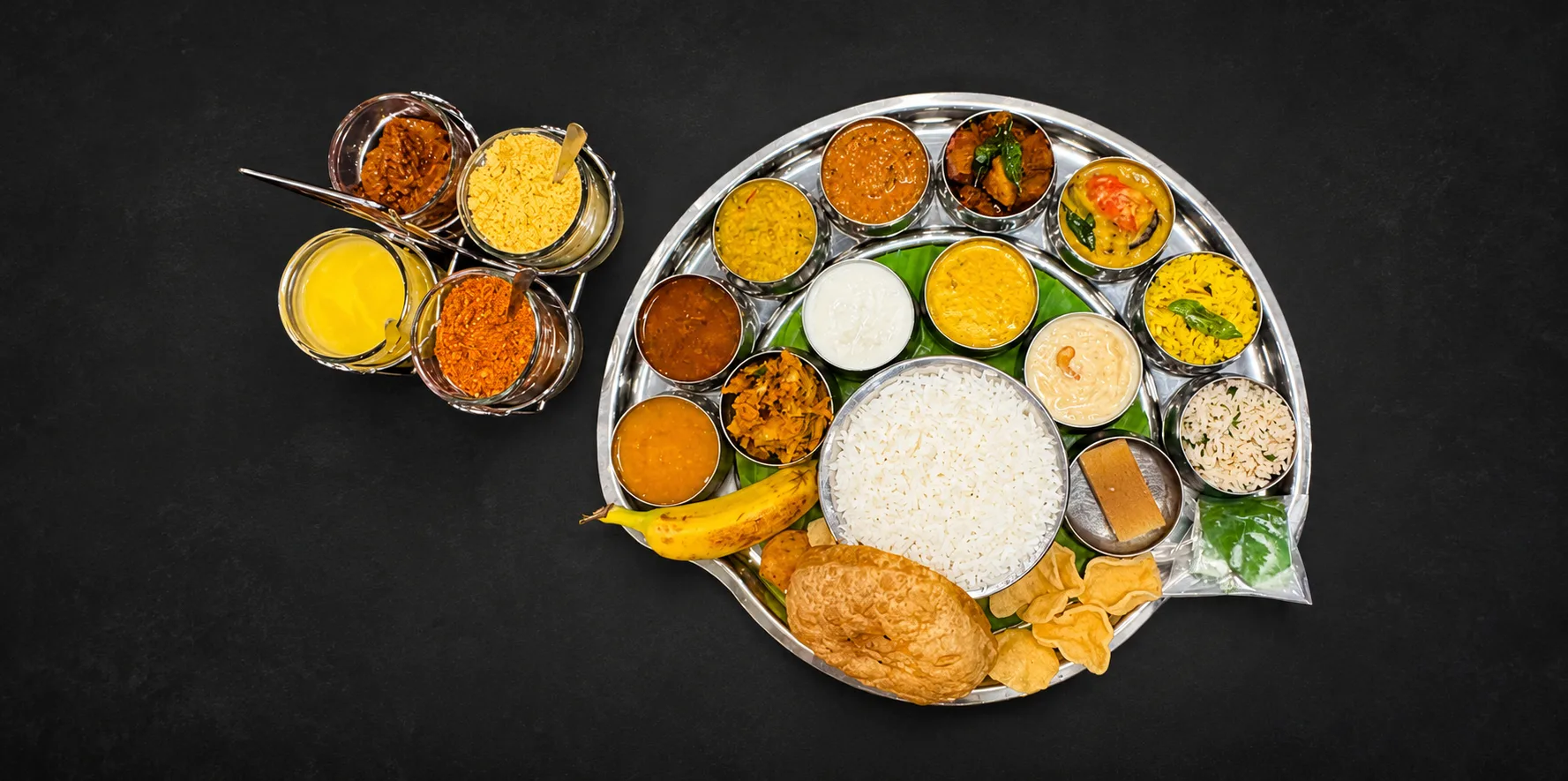
A traditional meal is ideal for guests who want variety. A typical plate may include rice, vegetables, lentil preparations, curries, pickles, and accompaniments that represent the balance of South Indian cooking.
South Indian Dining for Families, Professionals, and Celebrations
Indian restaurants often play an important role in community dining. Families gather for weekend meals, professionals look for convenient lunch options, and groups choose Indian cuisine for celebrations because of its variety.
South Indian restaurants in New Jersey are especially popular for:
- Weekend breakfast gatherings
- Family meals
- Vegetarian dining with multiple choices
- Office lunches
- Festival celebrations
- Catering events
A broad vegetarian menu makes it easier for groups with different preferences to enjoy a shared dining experience.
For larger occasions, Indian catering services in New Jersey often include traditional vegetarian dishes, appetizers, rice specialties, and desserts suitable for gatherings.
Why Vegetarian South Indian Food Appeals to Modern Diners
Vegetarian Indian food has gained popularity because it demonstrates how plant-based meals can be creative, satisfying, and full of flavor.
South Indian vegetarian cooking uses techniques such as roasting spices, fermenting grains, preparing fresh chutneys, and combining vegetables with aromatic seasonings. These methods create dishes with different textures, from crispy dosas to comforting rice dishes.
Many diners looking for an Indian vegetarian restaurant near their community appreciate the combination of tradition and variety that South Indian cuisine provides.
How Does A2B Fit Into New Jersey’s Indian Dining Culture?
New Jersey has a diverse Indian community where food plays an important role in maintaining cultural connections. Restaurants serving regional cuisines help people enjoy traditional dishes without needing to travel far.
A2B represents one part of this growing interest in authentic vegetarian South Indian dining. Its presence across South Plainfield, Parsippany, and Princeton allows diners to experience traditional flavors in different local communities.
Whether someone is exploring South Indian cuisine for the first time or returning for familiar favorites, regional restaurants provide a connection between food, culture, and community.
Frequently Asked Questions About South Indian Restaurants in New Jersey
What makes South Indian cuisine unique?
South Indian cuisine stands out because of its use of fermented foods, rice-based dishes, lentils, coconut, spices, and traditional preparation methods. Dishes are designed around balance, combining textures and flavors through ingredients like tamarind, curry leaves, and aromatic spices.
What are the best dishes for first-time visitors at A2B?
First-time visitors can start with dosa, idli, vada, and traditional South Indian meals. These dishes represent different cooking techniques and allow guests to experience the variety of vegetarian South Indian cuisine, from crispy textures to comforting flavors.
Does A2B offer vegetarian dining options in New Jersey?
Yes. A2B specializes in vegetarian South Indian cuisine, offering a range of breakfast items, snacks, meals, sweets, and traditional dishes. It is suitable for diners looking for authentic vegetarian Indian food prepared using regional cooking methods.
Why do families choose South Indian restaurants for dining?
Families often choose South Indian restaurants because the menus offer variety for different age groups and preferences. Breakfast favorites, traditional meals, snacks, and sweets make these restaurants suitable for casual outings, celebrations, and community gatherings.
South Indian cuisine continues to hold an important place in New Jersey’s food landscape because it combines tradition, variety, and cultural connection. Restaurants like A2B introduce diners to the depth of vegetarian South Indian cooking, from fermented breakfast classics to complete regional meals. For anyone exploring authentic Indian dining options, South Indian cuisine offers a meaningful way to experience India’s diverse food heritage.