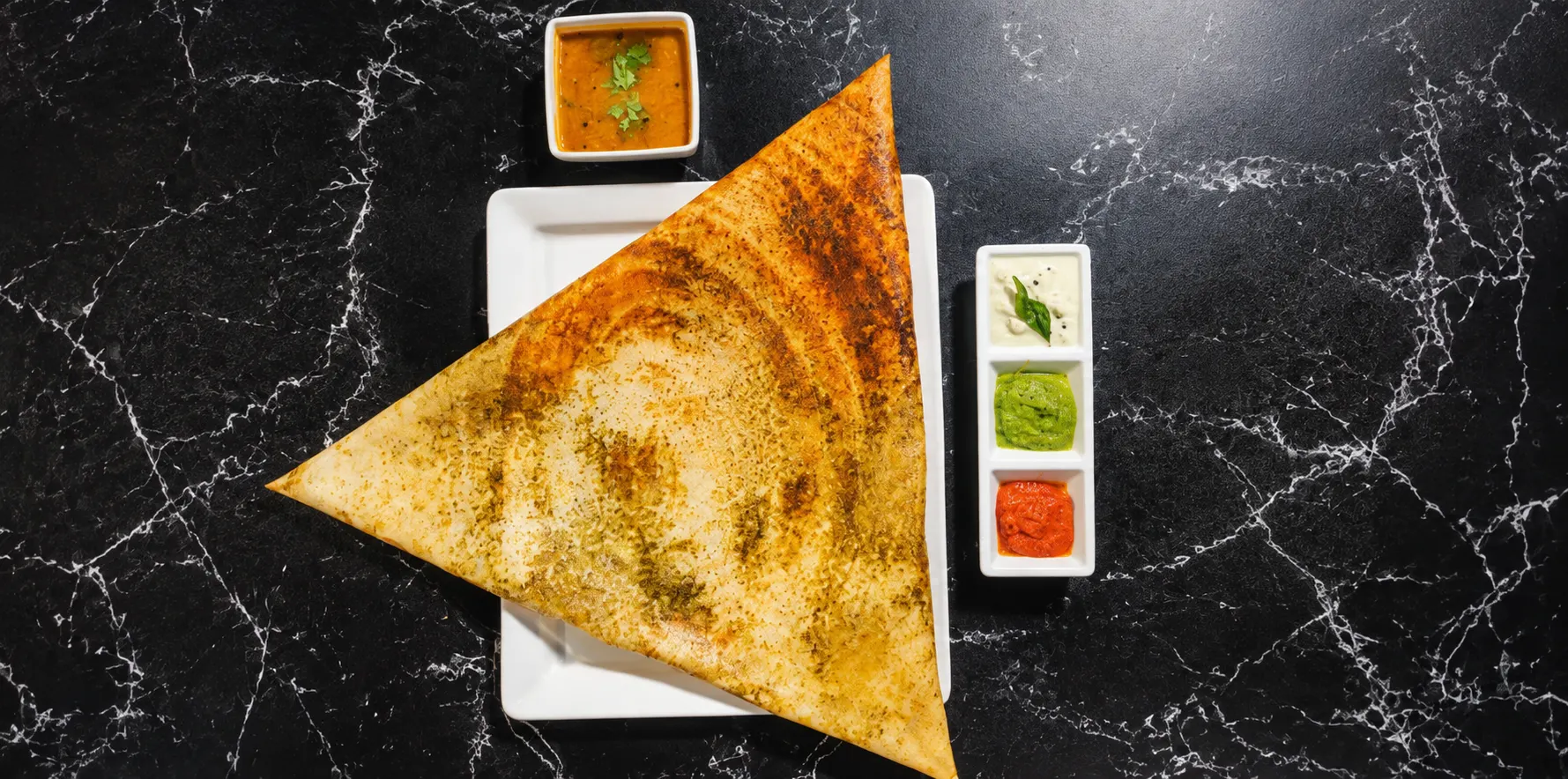
South Indian cuisine is known for its flavorful combination of fermented batters, aromatic spice blends, and traditional cooking techniques. Among its many breakfast and tiffin favorites, Podi Dosai stands out for its crispy texture and bold seasoning. For anyone searching for Podi Dosai in New Jersey, this dish offers an exciting way to experience the region’s food culture through a simple yet flavorful combination of dosa and podi.
Unlike a plain dosa, Podi Dosai features a generous sprinkle of spiced lentil powder, commonly mixed with oil or ghee to create a savory coating. The result is a golden, crisp dosa with earthy, nutty, mildly spicy flavors in every bite.
Whether you’re exploring an Indian restaurant for weekend breakfast, enjoying a quick vegetarian lunch, or planning a family dinner, Podi Dosai is a dish worth discovering. Its combination of fermented rice-and-lentil batter and traditional spice powder makes it a distinctive part of South Indian tiffin culture.
What Is Podi Dosai and Why Is It Popular?
Podi Dosai is a South Indian dosa prepared with fermented rice-and-lentil batter and topped with podi, a flavorful powder typically made from roasted lentils, dried red chilies, and spices. It is cooked on a hot griddle until crisp, allowing the podi seasoning to develop a savory, nutty flavor that complements the mild dosa batter.
The word podi means powder in several South Indian languages. In traditional cooking, podi is often prepared by roasting ingredients such as lentils, dried chilies, sesame seeds, and spices before grinding them into a coarse or fine mixture.
The dosa itself is made from fermented batter, usually containing rice and urad dal (split black gram). Fermentation helps develop its characteristic flavor and contributes to the texture of the finished dosa.
When podi is spread over the dosa during cooking, it creates a delicious contrast between the mild fermented batter and the strongly seasoned topping.
Three elements make this dish particularly interesting:
- Fermentation: The dosa batter develops a lightly tangy flavor through fermentation.
- Roasted lentils: These give podi its nutty, earthy taste and distinctive texture.
- Griddle cooking: High heat creates a golden, crisp exterior while allowing the seasoning to adhere to the dosa.
For diners exploring South Indian cuisine for the first time, Podi Dosai provides an introduction to traditional ingredients without requiring a complicated combination of dishes.
What Makes Podi Dosai in New Jersey Special?
Finding regional South Indian specialties outside India can be an enjoyable way to explore familiar food traditions and discover new flavors. For people searching for Best Podi Dosai in New Jersey, understanding what makes a well-prepared dosa can help when choosing an Indian restaurant.
A good Podi Dosai depends on three important characteristics.
1. The Right Dosa Texture
The dosa should have a crisp, golden exterior with enough structure to hold the podi topping. A properly heated griddle helps distribute the heat evenly, creating consistent browning without burning the batter.
2. Balanced Podi Seasoning
The podi should provide a combination of roasted, nutty, and mildly spicy flavors. Lentils contribute depth, while dried red chilies provide heat. Sesame seeds, cumin, or other ingredients may also be included depending on the recipe.
3. The Right Amount of Oil or Ghee
Oil or ghee helps the seasoning adhere to the dosa and contributes to its texture. Ghee can add a richer aroma, while oil provides a lighter finish depending on the preparation.
For New Jersey residents who enjoy vegetarian Indian food, this dish offers something different from the usual restaurant starters and rice-based meals.
What Goes Into Traditional South Indian Podi?
Traditional South Indian podi is a dry spice mixture made by roasting lentils, dried red chilies, and selected spices before grinding them into powder. Depending on the regional recipe, sesame seeds, cumin, garlic, or other ingredients may be included. The roasted ingredients provide an earthy aroma, nutty flavor, and adjustable level of heat.
Podi is more than just a topping. It is a versatile ingredient used across several South Indian meals.
Here are some common ingredients and their roles:
- Urad dal: Adds a roasted, nutty flavor and forms part of the powder’s texture.
- Chana dal: Contributes earthy flavor and a slightly crunchy quality.
- Dried red chilies: Provide spice and a distinctive roasted aroma.
- Sesame seeds: Add nuttiness and richness.
- Cumin: Contributes warm, aromatic notes.
- Garlic: Used in some recipes for additional savory depth.
One interesting aspect of podi is that recipes vary considerably between households and regions. Some families prefer a hotter version with more dried chilies, while others use more lentils for a milder, nuttier blend.
Podi is also traditionally enjoyed with idli, rice, and ghee. Its versatility explains why it remains a familiar ingredient in many South Indian kitchens.
How Is Podi Dosai Different From Masala Dosai?
Podi Dosai and Masala Dosai are both popular South Indian preparations made using fermented dosa batter, but their toppings and overall flavors are different.
Podi Dosai is seasoned with roasted lentil-and-spice powder, while Masala Dosai is generally filled with a cooked potato masala containing ingredients such as onions, mustard seeds, turmeric, and curry leaves. Podi Dosai emphasizes roasted spice flavors, whereas Masala Dosai offers a softer, savory potato filling.
Here is how they compare:
| Feature | Podi Dosai | Masala Dosai |
| Main topping | Roasted spice powder | Potato masala |
| Texture | Usually crisp throughout | Crisp outside with soft filling |
| Flavor | Nutty, spicy, savory | Mildly spicy and savory |
| Main ingredients | Lentils and spices | Potatoes, onions, spices |
| Serving style | With chutney and sambar | With chutney and sambar |
Another variation is Ghee Podi Dosai, where ghee is used with the spice powder to create a richer aroma and taste.
If you enjoy bold seasoning and crispy textures, Podi Dosai may be the better choice. If you prefer a filling with soft potatoes and aromatic spices, Masala Dosai is worth trying.
What Is the Best Way to Enjoy Podi Dosai?
Podi Dosai is traditionally enjoyed hot, shortly after preparation, when the exterior is still crisp and the seasoning remains aromatic.
The accompanying chutneys and sambar provide additional flavors and textures.
Coconut Chutney
Coconut chutney offers a cooling contrast to the spicy podi. Its creamy texture and mild sweetness balance the roasted lentil flavors.
Tomato Chutney
Tomato chutney brings tanginess and a slightly sweet, savory taste. It works particularly well with a dosa seasoned with dried red chilies.
Sambar
Sambar is a lentil-based South Indian preparation made with vegetables, tamarind, and spices. Its tangy flavor and warm consistency complement the crisp texture of Podi Dosai.
Ghee
A little ghee enhances the roasted aroma and adds richness to the spice powder. It is particularly suitable for diners who enjoy traditional South Indian flavor combinations.
For a complete meal, Podi Dosai can be enjoyed alongside other vegetarian tiffin dishes, depending on the restaurant’s menu.
Exploring A2B for South Indian Food in New Jersey
For diners looking for Indian Restaurants in New Jersey, A2B is a familiar name associated with vegetarian South Indian dining.
With locations in Parsippany, Princeton, and South Plainfield, A2B provides dining options across several New Jersey communities for people exploring Indian vegetarian cuisine.
South Indian tiffin dishes are an important part of this food tradition. Dosa, idli, pongal, and other preparations are commonly enjoyed for breakfast, brunch, or lighter meals.
If you’re specifically looking for Podi Dosai, check the current menu at your preferred A2B location or contact the restaurant to confirm availability and preparation details.
When exploring an Indian Restaurant South Plainfield NJ, Indian Restaurant Parsippany NJ, or Indian Restaurant Princeton NJ, consider checking the menu for dosa varieties, accompanying chutneys, and other vegetarian specialties.
For families and groups, a combination of different South Indian dishes can also make dining more interesting, allowing everyone to experience different textures and seasoning styles.
Why Is Podi Dosai a Good Vegetarian Dining Choice?
Podi Dosai is a popular vegetarian option because its main ingredients are rice, lentils, spices, and oil or ghee. It combines carbohydrates from rice with plant-based protein from lentils, making it a satisfying addition to a vegetarian meal.
Its appeal also comes from its versatility.
- For breakfast: Enjoy it with coconut chutney and sambar.
- For lunch: Pair it with additional vegetarian dishes for a more substantial meal.
- For weekend dining: Share different dosa varieties with family and friends.
- For spice lovers: Choose a preparation with a more pronounced chili flavor, if available.
- For first-time diners: Start with a moderately spiced version to appreciate the roasted lentil flavor.
Diners searching for a Pure Veg Restaurant New Jersey may appreciate the variety of vegetarian preparations available in South Indian cuisine.
Podi Dosai can also be a convenient choice when exploring Indian Food Delivery New Jersey, although it is generally best enjoyed fresh because its crisp texture can soften during transportation.
Tips for First-Time Podi Dosai Lovers
If you’re trying Podi Dosai for the first time, a few simple considerations can help you enjoy the dish.
- Check the spice level: Different podi recipes can range from mild to quite spicy.
- Try it with coconut chutney: The creamy texture balances the seasoning.
- Choose ghee podi if available: It provides a richer, more aromatic experience.
- Eat it fresh: Dosa is generally crispest immediately after preparation.
- Explore other dosa varieties: Comparing Podi Dosai with Masala Dosai or plain dosa helps you appreciate the different toppings and textures.
These small details can help diners make more informed choices when exploring South Indian food in New Jersey.
Frequently Asked Questions
1. What is Podi Dosai made of?
Podi Dosai is made using fermented rice-and-urad-dal batter topped with podi, a roasted spice powder. The powder commonly includes lentils, dried red chilies, and spices, with regional variations using sesame seeds or garlic. The dosa is cooked on a hot griddle until golden and crisp, creating a savory combination of fermented batter and roasted seasoning.
2. Is Podi Dosai spicy?
Podi Dosai generally has a mild to moderately spicy flavor, depending on the ingredients used in the podi. Dried red chilies provide most of the heat, while roasted lentils contribute nuttiness. Some recipes are hotter than others. If you prefer less spice, ask the restaurant whether a milder preparation is available.
3. What is the difference between Podi Dosai and Ghee Podi Dosai?
Both dishes use dosa batter and roasted lentil spice powder. The main difference is the use of ghee. Ghee Podi Dosai incorporates clarified butter during preparation, creating a richer aroma and taste. Regular Podi Dosai may use oil instead. Both offer the distinctive roasted, savory flavor of traditional South Indian podi.
4. Where can I find Podi Dosai in New Jersey?
If you’re searching for Podi Dosai in New Jersey, explore South Indian vegetarian restaurant menus in Parsippany, Princeton, and South Plainfield. A2B is one option to investigate across these communities. Check the specific location’s current menu or contact the restaurant to confirm Podi Dosai availability, preparation style, and dine-in or takeout options.
Podi Dosai represents the beauty of South Indian cooking through a combination of fermented batter, roasted lentils, aromatic spices, and traditional griddle preparation. It is particularly appealing to vegetarian diners, spice enthusiasts, and families interested in exploring regional Indian flavors. For New Jersey communities such as Parsippany, Princeton, and South Plainfield, dishes like Podi Dosai help keep South Indian tiffin traditions part of the local dining landscape while introducing more diners to the variety of vegetarian Indian cuisine.