Indian weddings are celebrated through rituals, family traditions, and meals that bring people together. Food is more than a reception detail; it reflects regional identity, hospitality, and the importance of sharing with guests. Planning Indian Wedding Catering in New Jersey therefore involves more than selecting dishes. Couples and families need to consider guest preferences, regional cuisines, vegetarian requirements, serving styles, and the timing of each wedding event.
From intimate engagement ceremonies to large wedding receptions, the right catering plan helps create a meal that feels connected to the occasion. For families exploring Indian Restaurants in New Jersey, understanding regional menus, buffet arrangements, and portion planning can make it easier to choose food that suits both the celebration and the guests.
What Should Indian Wedding Catering Include?
Indian wedding catering should include a balanced menu that reflects the couple’s regional food traditions, accommodates guest dietary needs, and suits the timing and style of the event. A well-planned menu considers appetizers, main courses, rice, breads, accompaniments, desserts, beverages, and appropriate serving arrangements.
The exact menu depends on the wedding’s cultural traditions and format. A South Indian wedding may feature traditional rice dishes, sambar, rasam, poriyal, and sweets, while a North Indian-inspired reception may include paneer curries, dal, naan, pulao, and rich gravies.
Some celebrations combine several regional cuisines to accommodate guests from different backgrounds. The goal is to offer variety without creating a menu so large that food quality, temperature, and service become difficult to manage.
Indian Wedding Catering in New Jersey: What Families Need to Consider
When searching for Indian Wedding Food Catering Near Me, couples are often comparing menu variety, food quality, service arrangements, and the caterer’s ability to handle different celebrations.
New Jersey’s Indian communities include families with varied culinary traditions, making menu planning particularly important. A wedding may bring together guests who prefer Tamil, Telugu, Gujarati, Punjabi, or other regional cuisines.
Before selecting a caterer, consider these practical questions:
- Guest count: How many adults and children will attend?
- Cuisine preference: Should the menu focus on one regional tradition or combine several?
- Dietary requirements: Are vegetarian, vegan, gluten-free, or allergen-aware choices needed?
- Service format: Would a buffet, plated meal, or individually packed meal work best?
- Event schedule: Will food be served during a ceremony, cocktail hour, lunch, or evening reception?
- Venue arrangements: Does the venue allow outside catering, and what kitchen facilities are available?
These details help families compare catering proposals fairly instead of choosing solely by the number of dishes offered.
How Regional Indian Cuisines Shape a Wedding Menu
Indian wedding food varies significantly by region. Understanding these differences helps couples build menus with cultural relevance rather than relying on a generic selection of popular dishes.
South Indian Wedding Traditions
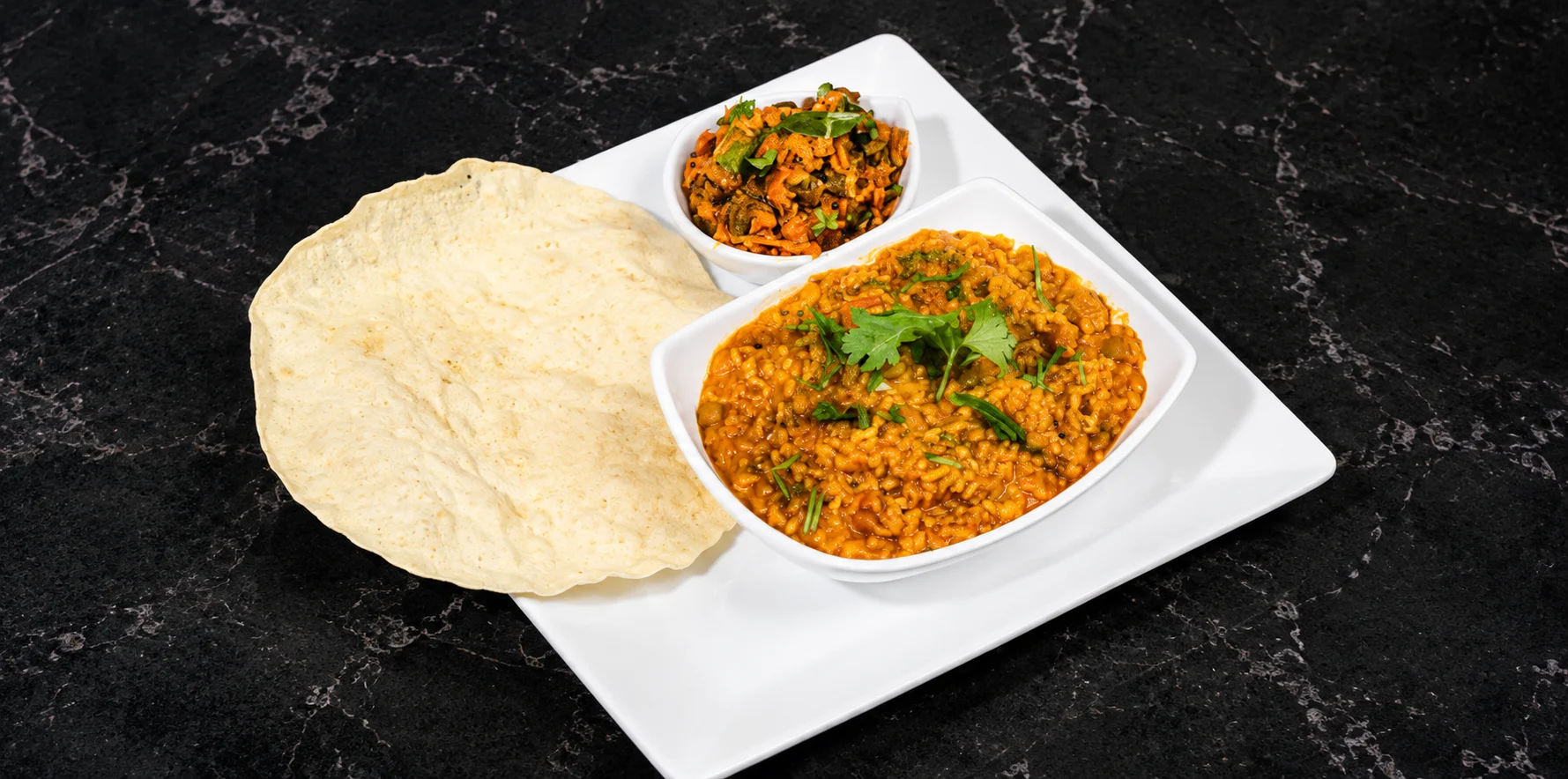
South Indian menus often emphasize rice-based dishes, lentils, vegetables, coconut, curry leaves, and traditional sweets. Depending on the family’s customs, a meal may include sambar, rasam, vegetable preparations, rice, curd, and payasam.
One useful detail is that a traditional South Indian meal is often arranged to create a progression of flavors. Rice and accompaniments may be served with different preparations throughout the meal, allowing guests to experience tangy, savory, spicy, and mildly sweet elements.
North Indian Wedding Menus
North Indian wedding menus frequently include paneer preparations, dal, tandoori appetizers, breads, pulao, and desserts such as gulab jamun. These dishes work well for buffet formats because guests can choose different combinations according to their preferences.
Combining Regional Cuisines
Some families prefer a mixed menu that represents both sides of the family. In this case, offering a focused selection from each cuisine is often more effective than including too many dishes with overlapping flavors.
For families seeking the Best Indian Food in New Jersey for a celebration, regional authenticity, consistency, and thoughtful menu design are more useful selection criteria than dish count alone.
Which Dishes Work Best for Different Wedding Events?
The best wedding catering menu depends on the event’s timing, formality, and guest expectations. Breakfast and morning ceremonies suit lighter traditional dishes, lunch receptions often work well with complete regional meals, and evening celebrations can accommodate appetizers, varied main courses, desserts, and beverages.
Here are practical ways to match food to the occasion.
- Engagement ceremonies: Choose a manageable combination of appetizers, vegetarian mains, rice, and desserts.
- Morning wedding events: Consider traditional breakfast dishes such as idli, dosa, pongal, and accompanying chutneys, depending on the family’s cuisine preferences.
- Wedding lunch: A complete regional meal can provide variety while maintaining a clear menu structure.
- Evening reception: Combine appetizers, rice or bread options, vegetarian entrées, and other requested specialties.
- Pre-wedding gatherings: Smaller menus with shareable snacks can suit informal events and family conversations.
Menu decisions should also reflect how long guests will be at the venue. Food served during a short ceremony has different requirements from a reception that lasts several hours.
Vegetarian Indian Wedding Catering New Jersey
Vegetarian Indian wedding catering should provide variety in flavor, texture, and preparation rather than relying on a single vegetable curry. A balanced menu can combine paneer, lentils, vegetables, rice, breads, appetizers, and traditional sweets to create a satisfying meal for guests with different preferences.
Vegetarian menus are central to many Indian celebrations, including families that follow religious or cultural dietary traditions.
Consider including:
- Appetizers: Vegetable cutlets, samosas, or other suitable regional snacks.
- Main courses: Paneer curry, mixed vegetable preparations, chana masala, or dal.
- Rice dishes: Vegetable biryani, pulao, or steamed rice.
- Breads: Naan, roti, or other options appropriate to the selected cuisine.
- Accompaniments: Raita, chutneys, salads, and pickles.
- Desserts: Gulab jamun, payasam, or other traditional sweets.
Families should clarify whether they require a fully vegetarian menu or simply vegetarian options alongside other dishes. They should also discuss ingredient handling and cross-contact precautions for guests with allergies.
A2B and Traditional Indian Catering
Once the menu style and practical requirements are clear, families can explore caterers whose cuisine aligns with their preferences.
A2B is associated with South Indian vegetarian cuisine, making it a relevant option for families considering vegetarian dishes for wedding functions and related gatherings. Its traditional cuisine style can be a starting point for exploring menus built around South Indian flavors.
For families looking for Indian Caterers in South Plainfield NJ, Indian Caterers in Princeton NJ, or Indian Caterers in Parsippany NJ, the important step is to confirm the service options available for the specific venue and event. Availability, delivery coverage, minimum order quantities, menu customization, and staffing should be verified directly with the relevant A2B location.
A caterer should be evaluated on how well its actual menu matches the celebration, not simply on how many locations it operates. Families should request current menu details, pricing, and service terms before making a commitment.
How Much Food Should You Plan for Wedding Guests?
Food planning depends on the number of guests, the duration of the event, the menu format, and whether other meals or snacks will be served.
A useful starting point is to give the caterer an accurate guest count and divide attendees into relevant groups, including adults, children, and guests with specific dietary requirements. Ask how the proposed quantities are calculated and whether the package includes replenishment for buffet service.
For buffet events, menu variety should be balanced against practical serving capacity. Too many dishes can increase waste and make it harder to keep every item at an appropriate temperature.
For larger celebrations, confirm who is responsible for delivery, setup, serving utensils, buffet replenishment, cleanup, and food storage. These operational details can affect the guest experience as much as the menu itself.
Frequently Asked Questions About Indian Wedding Catering
What dishes are commonly included in Indian wedding catering?
Indian wedding menus vary by region and family tradition. Common selections include appetizers, rice dishes, curries, breads, vegetable preparations, accompaniments, and desserts. South Indian celebrations may feature traditional rice-based meals and payasam, while other menus may include paneer curries, dal, naan, and pulao. The final selection should reflect the event format and guests’ dietary preferences.
Can I find vegetarian Indian wedding catering in New Jersey?
Yes, vegetarian catering is an important option for Indian weddings and family celebrations. A complete menu can include paneer, lentils, vegetables, rice, breads, appetizers, and sweets. When comparing caterers, confirm whether the kitchen can meet your vegetarian requirements and whether any ingredient separation or allergy precautions are necessary.
How early should I arrange Indian wedding catering?
Start contacting caterers as soon as you know your wedding date, venue, and approximate guest count. Larger weddings and peak-season events may require more advance planning. Confirm booking deadlines, tasting availability, deposit terms, and when the final headcount is due so the caterer has enough time to plan ingredients and staffing.
How do I choose Indian wedding caterers in Parsippany, Princeton, or South Plainfield?
Compare caterers based on cuisine, menu flexibility, pricing transparency, event capacity, and service arrangements. Ask whether they serve your venue and whether delivery, setup, serving staff, and cleanup are included. Reviewing a written proposal and tasting the proposed dishes, when available, can help you make a more informed decision.
Indian wedding catering brings together food traditions, family preferences, and the practical demands of hosting a celebration. For couples planning events in Parsippany, Princeton, South Plainfield, and surrounding New Jersey communities, the most suitable menu is one that reflects their cultural background while remaining manageable for the venue and guest count. A2B may be worth considering for families interested in traditional South Indian vegetarian cuisine, particularly when its available catering services align with the event’s needs.